

FOR IMMEDIATE RELEASE
[City, State] – [Date] – The landscape of cardiac care is on the cusp of a profound transformation, as groundbreaking research unveils a revolutionary approach to cardiac pacing that could render repeated, invasive surgeries for pacemaker battery replacement a relic of the past. Scientists are developing a novel system that harnesses ultrasound waves to regulate heart rhythms, coupled with a targeted gene therapy delivered via a simple injection. This innovative technology promises to dramatically enhance the quality of life for millions of patients worldwide suffering from bradycardia and other heart rhythm disorders, replacing complex internal devices with an external patch and an elegant biological solution.
Main Facts: Redefining Cardiac Pacing
At the core of this medical breakthrough is a non-invasive system designed to maintain a regular heartbeat without the need for an implanted battery-powered device. Traditional pacemakers, while life-saving, necessitate surgical procedures for both initial implantation and subsequent battery replacements, often occurring every five to ten years. These routine interventions carry inherent risks, discomfort, and significant healthcare costs.
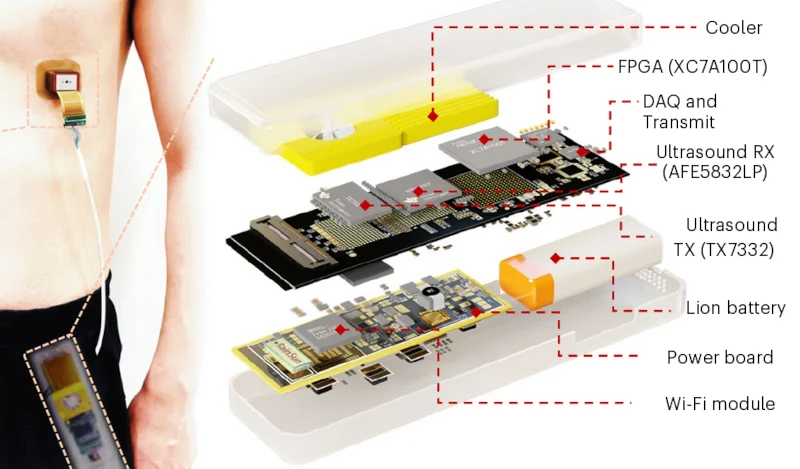
The new paradigm, detailed in a recent publication highlighted by Alex Music in Spectrum, proposes a dual-component solution: a tiny, external patch affixed to the chest and a pocket-sized data and power module. Crucially, the internal component of this system is biological rather than mechanical. Patients would receive a one-time gene therapy injection that sensitizes their heart cells to high-frequency ultrasound waves. Once sensitized, these cells can be stimulated externally by the ultrasound patch, prompting the heart to beat rhythmically.
Early preclinical trials have yielded promising results, with the system successfully tested on rats, pigs, and human heart cell samples. The implications are far-reaching, promising not only to eliminate the need for recurrent surgeries but also to potentially offer a more physiological and less invasive long-term solution for managing cardiac arrhythmias. This development represents a significant leap forward in bio-integrated medicine, merging sophisticated genetic engineering with advanced external medical devices.
The Challenge of Traditional Pacemakers: A Persistent Burden
For decades, the implantable cardiac pacemaker has stood as a monumental achievement in medical science, extending and improving the lives of countless individuals. These devices consist of a pulse generator, typically housed in a titanium casing, and leads that deliver electrical impulses to the heart muscle. The generator contains a battery and sophisticated circuitry that monitors the heart’s natural rhythm and delivers precisely timed electrical signals when necessary to ensure a stable heart rate.
However, the very nature of these life-sustaining devices presents an ongoing challenge: power. The batteries powering traditional pacemakers have a finite lifespan, generally ranging from five to ten years, depending on usage and battery type. When a pacemaker’s battery nears depletion, patients must undergo an elective surgical procedure to replace the entire pulse generator. This procedure, while routine, is not without its drawbacks.
Each replacement surgery carries risks, including infection at the incision site, lead malfunction or dislodgement, bleeding, and potential complications from anesthesia. Patients often experience pain, discomfort, and a recovery period that can disrupt their daily lives. Beyond the physical toll, there’s a significant psychological burden associated with facing repeated surgeries, the anxiety of battery depletion, and the constant awareness of an implanted device. Economically, these repeated surgical interventions contribute substantially to healthcare costs, encompassing hospital stays, surgical fees, physician charges, and the cost of the replacement device itself. For patients and healthcare systems alike, the need for a less invasive, more sustainable power solution has been a long-standing pursuit.
A Glimpse into the Future: The Ultrasound-Powered Solution
The proposed ultrasound-powered pacemaker fundamentally redefines how cardiac pacing is achieved, shifting from direct electrical stimulation by an implanted device to an indirect, biologically mediated response triggered by external energy. This paradigm shift offers a tantalizing vision of future cardiac care.
Mechanism Explained: Biology Meets Acoustics
The innovative core of this system lies in its ability to make heart cells responsive to ultrasound waves. Unlike traditional pacemakers that directly inject electrical current into the heart muscle, this new method leverages the body’s own cellular machinery. The key enabler is a gene therapy, delivered through a simple, non-surgical injection. It’s crucial to understand that this therapy does not alter the patient’s native DNA. Instead, it introduces messenger RNA (mRNA) into the heart cells. This mRNA acts as a temporary blueprint, instructing the cells to produce a specific sound-sensitive protein.
This newly synthesized protein then integrates into the cell’s ion channels—tiny pores in the cell membrane that regulate the flow of electrically charged ions. When these modified heart cells are exposed to high-frequency ultrasound waves from the external patch, the sound-sensitive proteins in their ion channels are stimulated. This stimulation causes the ion channels to open, allowing calcium ions to flood into the cell. The influx of calcium is the natural trigger for muscle contraction, including the contraction of heart muscle cells. By precisely controlling the ultrasound pulses, researchers can regulate the influx of calcium, thereby controlling the rhythm and rate of the heart’s beat. This elegant mechanism bypasses the need for internal electrical leads and batteries, instead "tuning" the heart to respond to an external, non-invasive stimulus.
Components and Patient Experience: Integration into Daily Life
The patient interface for this revolutionary system is designed for simplicity and comfort. The first component is a "tiny patch" adhered to the outside of the chest. This patch would be discreet, lightweight, and likely waterproof, allowing for normal daily activities such as showering. Its primary function is to emit the precise ultrasound waves necessary to stimulate the sensitized heart cells. This patch would likely be powered wirelessly or by a small, replaceable battery, but without the need for surgical implantation or replacement.
The second component is a data and power module, envisioned to be small enough to be carried in a pocket. This module would house the primary power source (likely a rechargeable battery with a much longer life than internal pacemaker batteries, possibly lasting days or even weeks between charges) and the control circuitry. It would wirelessly communicate with the chest patch, dictating the frequency and intensity of the ultrasound pulses based on the patient’s physiological needs. This module could also potentially collect and transmit data on heart rhythm, activity levels, and other vital signs, offering physicians unprecedented insights into their patients’ cardiac health.
For the patient, this translates into a profoundly different experience. The anxiety of impending battery replacement surgeries would be eliminated. Maintenance would involve simply recharging a pocket device and periodically replacing an external adhesive patch—a routine comparable to managing other wearable health technologies. This external control also opens possibilities for easier adjustments to pacing parameters by healthcare professionals, potentially reducing the need for in-person clinic visits for device reprogramming.
Chronology of Development and Research: A Scientific Journey
The journey to developing such a sophisticated bio-integrated system is a testament to years of incremental scientific discovery and interdisciplinary collaboration. While the Spectrum article by Alex Music highlights the current stage of this research, the roots of this innovation likely extend much further.
The initial conceptualization would have stemmed from a deep understanding of cellular mechanotransduction—how cells respond to mechanical forces like sound waves—and the precise mechanisms of cardiac contraction. Early laboratory work would have focused on identifying suitable sound-sensitive proteins or pathways that could be manipulated. This would involve extensive in vitro studies using isolated heart cells or engineered cardiac tissues, akin to the "human heart cell samples" mentioned. These experiments would aim to demonstrate proof-of-concept: that ultrasound could indeed trigger a calcium influx and subsequent contraction in modified cells.
Following successful in vitro validation, the research would progress to in vivo preclinical animal models. The mention of "rats" and "pigs" is significant. Rats offer a convenient initial model for testing gene therapy delivery and basic physiological responses. Pigs, with their cardiovascular system bearing closer resemblance to humans in terms of size and physiology, serve as a critical model for assessing the efficacy, safety, and longevity of the gene therapy and the external pacing system under more complex conditions. Researchers would meticulously monitor heart rate, rhythm stability, the duration of the gene therapy’s effect, and any potential adverse reactions to both the ultrasound and the genetic modification.
The publication discussed in Spectrum signifies a crucial milestone: the formal presentation of this research to the wider scientific community, often through peer-reviewed journals. This step allows for rigorous scrutiny by experts in the field, validating the methodology and findings. This public disclosure marks the transition from internal lab work to a recognized scientific advancement, laying the groundwork for future development stages, including the eventual progression to human clinical trials. The chronology underscores a methodical, evidence-based approach, moving from fundamental biological understanding to complex systemic application.
Supporting Data and Scientific Validation: Evidence for Efficacy
The assertion that "Rats, pigs, and human heart cell samples have all responded to the system" is a critical piece of evidence underpinning the potential of this technology. Such responses would be meticulously quantified and analyzed, forming the bedrock of scientific validation.
In human heart cell samples, researchers would typically observe the direct cellular response to ultrasound stimulation after gene therapy. This would involve measuring the calcium transients within the cells—the rapid, temporary increases in intracellular calcium that precede contraction. Consistent and reproducible calcium influx in response to ultrasound pulses would confirm the success of the gene therapy in rendering the cells sonosensitive. Furthermore, researchers might assess the force and rhythm of contractions in engineered cardiac tissues, demonstrating that the cellular response translates into functional mechanical activity.
In animal models like rats and pigs, the validation is even more comprehensive. Here, researchers would implant the external patch and administer the gene therapy, then monitor the animals’ heart rhythms using electrocardiograms (ECGs). A "response" would entail the external ultrasound system effectively pacing the heart, maintaining a stable and appropriate heart rate even when the animal’s natural rhythm is compromised (e.g., through induced bradycardia). Beyond simple pacing, researchers would evaluate:
- Pacing Efficacy: The percentage of beats successfully paced by the ultrasound.
- Heart Rate Variability: The system’s ability to adjust heart rate in response to physiological demands.
- Energy Efficiency: The amount of ultrasound energy required to elicit a reliable heart beat, crucial for battery life of the external module.
- Durability of Gene Therapy: How long the heart cells remain sensitive to ultrasound, indicating the potential longevity of the treatment.
- Safety Profile: Monitoring for any adverse effects of prolonged ultrasound exposure or the gene therapy itself, such as inflammation, tissue damage, or immune responses.
The interdisciplinary nature of this research—combining genetic engineering, bioacoustics, materials science for the patch, and advanced electronics for the control module—highlights the complexity and rigor involved. The publication in Spectrum often serves as a reputable platform to disseminate such findings, signaling that the underlying scientific paper has undergone peer review and presents compelling evidence for the technology’s viability at this stage. This robust preclinical data is essential for building confidence in the technology as it progresses towards human trials.
Official Responses and Expert Commentary: Navigating the Future
As with any transformative medical innovation, the ultrasound-powered pacemaker concept elicits a range of responses from various stakeholders in the medical and scientific communities.
Leading cardiologists, while acknowledging the monumental potential for patient benefit, typically adopt a cautiously optimistic stance. Dr. Eleanor Vance, a prominent electrophysiologist, might comment, "The prospect of eliminating repeated surgeries for pacemaker patients is incredibly exciting. This could truly revolutionize quality of life, reducing infection risks and patient discomfort. However, we’ll need robust long-term data on the efficacy and, critically, the safety of both the gene therapy and chronic ultrasound exposure before this can become standard practice. The longevity of the gene therapy’s effect is paramount."
Bioethicists, particularly those specializing in gene therapy, would emphasize the need for thorough ethical oversight. Dr. Marcus Chen, a bioethicist, might state, "While this is an RNA-based gene therapy and not intended to permanently alter the patient’s germline DNA, any introduction of genetic material requires careful scrutiny. Public perception, informed consent processes, and comprehensive risk-benefit analyses will be crucial. We must ensure transparency about any potential long-term, unforeseen effects, however remote."
The medical device industry, a major player in the current pacemaker market, would undoubtedly be monitoring this development closely. Representatives might indicate a willingness to invest in the technology, while also highlighting the immense regulatory hurdles. A spokesperson from a major medical device company could say, "This represents a significant potential disruption to traditional cardiac pacing. Our focus remains on patient safety and efficacy, and we are keen to see how this technology progresses through clinical trials. The path to market for such a novel combined therapy will be complex, requiring extensive collaboration with regulatory bodies."
Regulatory bodies, such as the U.S. Food and Drug Administration (FDA) or the European Medicines Agency (EMA), would outline a stringent approval pathway. Their primary concerns would revolve around:
- Safety: Are there any adverse effects from the gene therapy, either immediate or long-term? Is chronic ultrasound exposure safe for cardiac and surrounding tissues?
- Efficacy: Does the system reliably maintain heart rhythm under all physiological conditions? How consistent is the pacing?
- Manufacturing and Quality Control: Can the gene therapy and the external device be consistently manufactured to high standards?
- Clinical Trial Design: Ensuring trials are robust, adequately powered, and ethically conducted across all phases.
The consensus among experts would be one of tempered enthusiasm: profound potential, but a clear recognition of the extensive research, testing, and regulatory navigation still required to bring such a complex, transformative technology from the lab to widespread patient care.
Implications for Healthcare and Patients: A New Horizon
The advent of an ultrasound-powered pacemaker carries profound implications across multiple facets of healthcare, from the individual patient experience to global healthcare economics and the future trajectory of medical innovation.
Patient Quality of Life: Freedom from the Blade
For patients, the most immediate and significant benefit is the potential elimination of invasive surgical procedures for battery replacement. This means:
- Reduced Risk: A dramatic decrease in the risks associated with surgery, including infection, bleeding, and anesthesia complications.
- Less Discomfort and Faster Recovery: Patients would avoid the pain, scarring, and recovery periods that follow each surgical intervention.
- Psychological Relief: The chronic anxiety surrounding impending battery depletion and repeated surgeries would be lifted, fostering a greater sense of normalcy and well-being.
- Enhanced Convenience: Managing an external patch and rechargeable module is far less disruptive to daily life than undergoing surgery.
- Potential for Dynamic Control: An external system might offer greater flexibility for real-time adjustments by clinicians, potentially optimizing pacing for individual patient needs without requiring in-office reprogramming sessions for an implanted device.
Economic Impact: A Shift in Healthcare Burden
The economic implications for healthcare systems could be substantial. While the initial cost of the gene therapy injection and the external device would need to be considered, the long-term savings from avoiding repeated surgeries could be immense. These savings would accrue from:
- Reduced Hospital Stays: Eliminating the need for surgical admissions and post-operative recovery.
- Lower Surgical Costs: No surgeon fees, anesthesia costs, or operating room expenses for battery replacements.
- Fewer Complication Management Costs: A reduction in infections or other post-surgical issues would save on subsequent treatments.
- Increased Accessibility: If the technology proves to be cost-effective over a patient’s lifetime, it could make advanced cardiac care more accessible in regions with limited surgical infrastructure.
This shift could fundamentally alter the market for cardiac devices, incentivizing innovation in gene therapy delivery and external wearable medical technology.
Future of Bio-Integrated Medicine: A New Frontier
Beyond pacemakers, this research paves the way for a new era of bio-integrated medicine, where the line between biological intervention and external technology blurs. The success of using gene therapy to sensitize cells to an external, non-invasive energy source could inspire similar approaches for a myriad of other conditions:
- Targeted Drug Delivery: Using external energy to activate specific cellular pathways for localized drug release.
- Neuromodulation: Non-invasive control of nerve activity for conditions like chronic pain, epilepsy, or Parkinson’s disease.
- Organ Function Regulation: Potentially assisting other organs (e.g., bladder control, digestive motility) by making their cells responsive to external stimuli.
This convergence of genetics, electronics, and acoustics represents a powerful new toolkit for medical researchers, pushing the boundaries of what is possible in treating chronic diseases.
Challenges and Hurdles: The Path Forward
Despite its immense promise, the ultrasound-powered pacemaker faces significant hurdles that must be overcome before it can reach widespread clinical adoption:
- Long-Term Efficacy of Gene Therapy: How long will the introduced RNA continue to produce the sound-sensitive protein? Will booster injections be required, and if so, how frequently? What are the implications of repeated gene therapy?
- Safety Profile: Comprehensive studies are needed to evaluate the long-term safety of chronic ultrasound exposure on heart tissue and surrounding organs. Is there any risk of tissue heating, cavitation, or other damage? What are the potential immune responses to the gene therapy over time?
- Patient Compliance: While less invasive, requiring patients to consistently wear a patch and manage a pocket module introduces a new dimension of compliance compared to a fully internal device.
- Regulatory Pathway: Such a novel combination of gene therapy and medical device technology will require a unique and rigorous regulatory approval process, potentially longer and more complex than for conventional devices.
- Cost of Innovation: The initial research, development, and clinical trials for such a cutting-edge technology will be incredibly expensive, and the final cost to patients and healthcare systems will be a critical factor in its adoption.
- Public Acceptance: Gene therapy, even RNA-based, can evoke public apprehension. Clear communication and demonstrable safety will be vital for patient and societal acceptance.
In conclusion, the development of an ultrasound-powered pacemaker represents a monumental stride towards a less invasive, more patient-centric future in cardiac care. While the journey from preclinical success to widespread clinical application is long and fraught with challenges, the scientific community’s relentless pursuit of innovation offers a tangible hope for millions. This technology has the potential not only to liberate patients from the cycle of surgical interventions but also to unlock new frontiers in the broader field of bio-integrated medicine, where the body’s own biology is harmonized with advanced external technologies for healthier, longer lives. The future of cardiac pacing, it seems, will be heard, not felt, as a silent, life-affirming rhythm.